Delve into the Secrets of Tulips with These Seven Amazing Facts
Posted on 30/08/2025
Delve into the Secrets of Tulips with These Seven Amazing Facts
Tulips are among the world's most popular and instantly recognizable flowers, symbolizing love, rebirth, and elegance. But beyond their exquisite beauty, these blossoms carry a rich tapestry of stories, science, and cultural significance. Delve into the secrets of tulips with these seven amazing facts that uncover fascinating aspects about the remarkable tulip flower.
The Fascinating Journey of Tulips Through History
1. Tulips Are Not Native to the Netherlands
When one thinks of tulips, the iconic images of Dutch fields awash in vibrant color immediately spring to mind. However, one of the most surprising secrets about tulips is their true origin. The story of tulips in the Netherlands began only in the late 16th century.
Tulips originated in Central Asia, flourishing in the mountainous regions of modern-day Kazakhstan, Iran, and parts of Northern China. They were first cultivated by the Ottoman Empire, especially around Istanbul, where they became symbols of wealth and prestige. The name "tulip" itself comes from the Persian word "delband," referring to a turban--reflecting the flower's turban-like shape.
It was only in the 16th century that tulip bulbs made their way to Europe, primarily through diplomatic gifts, botanical explorers, and traders. The famed botanist Carolus Clusius was instrumental in spreading tulip cultivation, especially in the Netherlands, where the flower's story took a new--and dramatic--turn.
2. Tulip Mania: The World's First Economic Bubble
Delve into the secrets of tulips and you'll quickly encounter one of economic history's most famous episodes: Tulip Mania. During the Dutch Golden Age, in the early 17th century, tulips became so highly sought after that their bulbs were traded for astronomical sums.
- At the peak of tulip mania, some rare bulbs fetched prices higher than the cost of a canal house in Amsterdam.
- A single bulb of the coveted 'Semper Augustus' was reportedly sold for more than 10 times the annual salary of a skilled artisan.
- This fevered speculation led to the world's first recorded economic bubble and subsequent crash in 1637.
The aftermath of tulip mania left a profound impression on Dutch culture, cementing the tulip as a national icon while also serving as a cautionary tale about the dangers of speculative investment. Today, the flowers are celebrated for their beauty rather than their economic intrigue.
Unveiling the Tulip's Natural Wonders
3. An Incredible Array of Colors
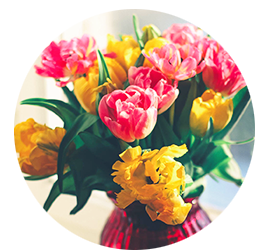
Tulips delight with their jaw-dropping palette of colors, but many people don't realize that there is an exception: pure blue tulips do not occur naturally. The flower can be found in nearly every shade -- red, yellow, pink, purple, orange, white, and even nearly black. This remarkable variation is a result of centuries of cultivation and hybridization.
- Over 3,000 registered varieties of tulips exist worldwide, organized into 15 groupings based on their flower shape and time of bloom.
- Some cultivars, like the "Queen of Night," are so deep purple they appear black.
- Tulips can be fringed, ruffled, multi-colored, or even display striking flames and feather-like markings (a product of a historical virus infection, which today is achieved by selective breeding).
As you delve deeper into the secrets of tulips, it becomes clear that this flower embodies the artistry and passion of generations of breeders.
4. Tulips Are a Sign of the Spring Awakening
There is perhaps no more iconic herald of spring than the blooming of tulips. These bulbs are perennial, meaning they return year after year, though many gardeners treat them as annuals due to declining vigor in subsequent seasons.
What makes tulips truly unique is their requirement for a period of cold weather to bloom--known as vernalization. During winter, the bulbs remain dormant underground, ready to burst forth in a riot of color come spring. This delicate timing is part of what makes them so precious to nations long-starved for sunshine after winter.
- Tulip festivals around the world, from Keukenhof in the Netherlands to Skagit Valley in Washington State, USA, celebrate the flower's vibrant return each year.
- Depending on the variety, tulips bloom from late March through early May, with earlier types opening first.
The Science and Symbolism Behind the Tulip
5. The Mysterious "Breaking" Pattern
One of the most captivating secrets of tulips lies in the mysterious patterns seen on some historical flowers. In the 17th century, certain tulips developed beautiful feathered or flame-like streaks of color--these became the most coveted bulbs during tulip mania.
However, for centuries, the cause of this phenomenon, known as "breaking," was a mystery. Today, we know that:
- "Breaking" is actually caused by the Tulip breaking virus (TBV), which interferes with pigment distribution in the petals.
- While these "broken" tulips were prized centuries ago, the virus weakens the bulbs and can devastate entire fields if left unchecked.
- Modern "flamed" or multicolored tulips are now bred using safe and healthy hybridization techniques, without relying on viral infection.
This fascinating history reflects both the beauty and the danger that can come from nature's unpredictability when humans cultivate for rarity and visual appeal.
6. Tulips Have Edible--and Medicinal--Uses
Surprisingly, tulips are more than just a feast for the eyes. Did you know that tulip bulbs are technically edible? During World War II, when the Netherlands was occupied, food shortages became so severe that people resorted to eating tulip bulbs to survive.
- Tulip petals are non-toxic and are sometimes used decoratively in salads or as garnishes, though they have a mild, bland taste.
- The bulbs, while starchy and similar to an onion or potato, can taste bitter and may cause stomach upset unless they are prepared correctly and free from pesticides or disease.
- Tulip extracts have also been studied for their natural antimicrobial and anti-inflammatory properties, though their use is far less common compared to other medicinal plants.
Please note: Eating tulips is not recommended unless you are certain the bulbs have not been treated with chemicals or fungicides, and you know how to identify edible varieties.
Tulip Symbolism and Global Impact
7. The Language of Tulips: Love, Royalty, and Beyond
Tulips have long carried deep symbolism across societies. Delving into tulip symbolism reveals that colors and varieties convey different meanings:
- Red tulips: Symbolize deep love and perfect passion. In Persian and Turkish folklore, a red tulip is a declaration of love.
- Yellow tulips: Once associated with hopeless love, they now often represent cheerfulness and sunshine.
- White tulips: Represent purity, forgiveness, and respect--often used in formal ceremonies and memorials.
- Purple tulips: Signify royalty, nobility, and admiration.
- Black tulips: Embody mystery and power, inspiring writers and artists alike.
In the modern world, gifting tulip bouquets is a gesture suited for romantic partners, friends, or even as a sign of renewal and hope--perfect for marking new beginnings or reconciliation. Different cultures have adopted the tulip as a symbol of national pride, such as in the Netherlands, Iran, and Turkey.

Frequently Asked Questions About the Secrets of Tulips
Why do people plant tulip bulbs in the fall?
Tulip bulbs need a period of cold dormancy to develop strong roots and flower properly in spring. Planting them in the fall ensures that they establish underground and experience the natural chilling required for healthy blooms.
How long do tulips last once they bloom?
Once blooming, tulip flowers typically last one to two weeks in the garden, depending on the variety and weather conditions. In a vase, cut tulips can stay fresh for 5-10 days with proper care.
Can tulips be grown indoors?
Absolutely! Indoor forcing of tulip bulbs allows gardeners to enjoy spring flowers even in the dead of winter. By chilling the bulbs in a refrigerator for 10-14 weeks and then potting them in soil, you can have tulips blooming indoors ahead of the outdoor season.
Conclusion: The Enduring Magic and Mystery of Tulips
As you've discovered while delving into the secrets of tulips, these flowers offer more than meets the eye. From their dramatic history and mesmerizing patterns to their incredible adaptability and cultural significance, tulips continue to enchant people around the world. Whether you're a gardening enthusiast, a history buff, or just someone who appreciates nature's wonders, tulips provide endless inspiration and joy.
So, the next time you spot a field of tulips swaying in the breeze, remember these seven amazing facts--each petal and color is a testament to centuries of beauty, intrigue, and natural magic.
Latest Posts
Delve into the Secrets of Tulips with These Seven Amazing Facts
Orchid Enthusiast's Guide to Proper Care
Beautiful Blooms: A Compassionate Approach to Hydrangea Care