Orchid Enthusiast's Guide to Proper Care
Posted on 26/08/2025
Orchid Enthusiast's Guide to Proper Care: Mastering the Art of Orchid Cultivation
Orchids are renowned for their stunning beauty, exotic allure, and diverse varieties. Whether you're a beginner or a seasoned grower, understanding proper orchid care is essential for nurturing healthy, vibrant plants. This comprehensive guide is crafted specifically for orchid enthusiasts, offering expert advice and step-by-step instructions to ensure your orchids thrive year-round.
Understanding Orchids: An Introduction
Orchids (family Orchidaceae) form one of the largest and most diverse plant families in the world. With over 25,000 naturally occurring species and more than 100,000 hybrids, orchids are uniquely adaptable and possess distinct growing requirements.
- Origin: Orchids are native to almost every continent, thriving in rainforests, grasslands, and even semi-deserts.
- Types: Popular varieties for home cultivation include Phalaenopsis (Moth Orchid), Cattleya, Dendrobium, Oncidium, and Vanda.
- Lifecycle: Orchids are perennial plants, meaning they bloom repeatedly across the years with proper care.
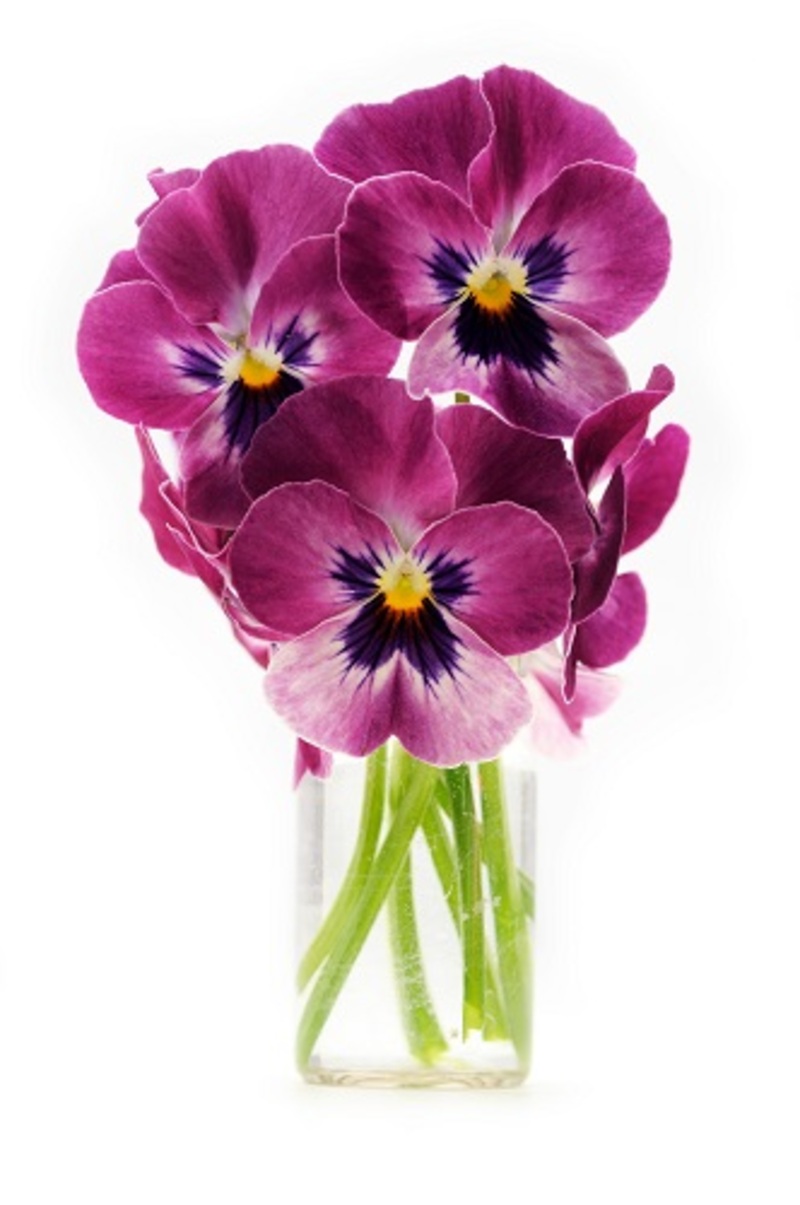
The Essential Orchid Enthusiast's Care Checklist
Successful orchid care relies on understanding and meeting their unique needs. Below is a summary of the main care points every orchid lover should master:
- Correct Watering Techniques
- Optimal Lighting Conditions
- Temperature and Humidity Control
- Proper Fertilizing Practices
- Repotting and Root Health
- Pest and Disease Management
Orchid Watering Wisdom: Avoiding Common Pitfalls
One of the most important aspects of proper orchid care is watering. Orchids are more susceptible to overwatering than underwatering, which can result in fatal root rot.
How Often Should You Water Orchids?
- Phalaenopsis: Water every 1-2 weeks, letting the potting medium dry out slightly between waterings.
- Dendrobium: Water once the top inch of the medium is dry.
- Cattleya: Prefers to dry out almost completely before watering.
Tips:
- Always use room-temperature, filtered, or rainwater for best results.
- Never allow orchids to sit in standing water. Use pots with drainage holes.
- Misting can increase humidity but is not a substitute for watering.
- Test the potting mix with your finger: if it feels dry, it's time to water.
Signs of Overwatering and Underwatering
- Overwatering: Yellow or mushy leaves, blackened roots, foul odor.
- Underwatering: Wrinkled, leathery leaves, dry roots, stunted growth.
Light Requirements: Helping Orchids Shine
Light is a critical factor for healthy orchid growth. Too much or too little light can prevent flowering and weaken the plant.
Best Light Conditions for Different Orchid Types
- Phalaenopsis: Prefers bright, indirect sunlight. Windows filtered by a sheer curtain work well.
- Oncidium and Cattleya: Need brighter conditions and can tolerate a few hours of direct morning sun.
- Dendrobium: Enjoys similar light to Phalaenopsis but benefits from occasional filtered direct light.
Orchid Lighting Tips:
- Leaf color is a reliable indicator of sufficient light. Medium green with a slight yellowish tint is ideal.
- Deep green leaves often indicate too little light, whereas yellowish leaves signal too much sun exposure.
- Supplement with LED grow lights if natural light is limited.
Temperature & Humidity: Creating the Ideal Environment
Orchids require specific temperature and humidity ranges to flourish. Mimicking their natural habitat is key to lasting success.
Ideal Temperature Ranges
- Phalaenopsis: Daytime 65-80?F (18-27?C), nighttime 60-65?F (16-18?C)
- Cattleya: 70-85?F (21-29?C) during the day, a 10?F (6?C) drop at night
- Dendrobium: Similar to Phalaenopsis, tolerates slightly cooler nights
Managing Humidity
- Orchids thrive between 40% and 70% humidity, depending on species.
- Use a room humidifier, humidity tray, or regular misting to boost moisture, especially in winter.
- Ensure good air circulation to prevent fungal diseases.
Tip: A thermometer and hygrometer are invaluable tools for monitoring your growing environment.
Fertilizing Your Orchid: Feeding for Flourishing Blooms
Just like any other houseplant, orchids require a balanced nutritional regimen. Improper feeding leads to nutrient deficiencies and poor flowering.
Choosing the Right Orchid Fertilizer
- Use a specially formulated orchid fertilizer (20-20-20 NPK or similar balanced type).
- Avoid using traditional all-purpose fertilizers-- these are often too strong.
- Organic options like worm tea or fish emulsion can also be beneficial in moderation.
How to Fertilize Orchids
- Frequency: Fertilize every 2-4 weeks during active growth periods (spring and summer).
- During dormancy or winter months, reduce feeding to once a month or less.
- Application: Dilute fertilizer to half or quarter strength.
- Flush the pot with plain water monthly to prevent salt buildup.
Repotting Orchids: Keeping Roots Healthy
Repotting is crucial for healthy root development and prolonging your orchid's life. Over time, potting mixes degrade, decreasing aeration and increasing the risk of root rot.
When Should You Repot an Orchid?
- Every 1-2 years, or when the mix has broken down significantly.
- If roots begin to escape the pot, look mushy or brown, or the plant is top-heavy.
- Immediately after the blooming cycle has finished.
Steps to Properly Repot Your Orchid
- Remove the orchid gently from its pot, handling roots carefully.
- Trim away dead or rotten roots with sterile scissors.
- Place the orchid in a well-draining potting mix (e.g., bark, sphagnum moss, perlite).
- Reposition the plant upright and fill with fresh medium, avoiding air pockets.
- Water lightly and keep in a shaded spot for one week to reduce transplant shock.
Pest and Disease Prevention: Protecting Your Precious Orchids
Orchids can attract pests and diseases if not properly cared for. Early intervention is key to saving your plants and preventing spread.
Common Orchid Pests and Solutions
- Mealybugs: Remove manually and treat with insecticidal soap.
- Spider mites: Increase humidity and remove with soapy water spray.
- Scale: Use rubbing alcohol on a cotton swab to remove.
- Slugs/Snails: Remove by hand and set up barriers around pots.
Disease Management
- Fungal infections: Remove infected tissues and improve air flow.
- Virus: No cure--remove affected plants to prevent spread.
- Sterilize tools and hands between plants to avoid contamination.
Specialized Orchid Care: Tips for the Dedicated Enthusiast
For those who wish to take their orchid care to the next level, consider these advanced strategies that distinguish passionate orchid hobbyists:
- Mounting orchids on bark or tree fern slabs to replicate natural habitats and promote airflow.
- Experimenting with semi-hydroponic systems using LECA beads for increased control over watering and nutrients.
- Maintaining a species-specific climate using grow tents or cabinets.
- Documenting orchid blooms with diaries or photos to track progress and adapt care routines.
Encouraging Blooming and Reblooming
To induce orchid reblooming:
- Adjust light and temperature to mimic seasonal changes.
- Increase feeding as the plant enters the active growth phase.
- Provide a small nighttime temperature drop to trigger spike formation.

Common Myths and FAQs in Orchid Care
- Myth: Orchids are difficult and only for experts.
- Fact: Anyone can enjoy growing orchids with basic care knowledge!
- Myth: Orchids don't need much light.
- Fact: Insufficient light is a leading cause of failure to bloom.
- Myth: Ice cubes are an ideal way to water orchids.
- Fact: Ice can shock roots. Use lukewarm water instead!
Frequently Asked Questions
- Q: How long do orchids live?
- A: With proper care, many cultivated orchids live for decades.
- Q: Can I propagate orchids at home?
- A: Yes, via division or keiki growth (small offshoots) in some species.
- Q: What should I do when my orchid finishes blooming?
- A: Continue regular care. For Phalaenopsis, you may cut the spike above a node to encourage rebloom or cut it off entirely for rest.
Conclusion: Cultivating Success as an Orchid Enthusiast
Mastering the art of orchid care is a rewarding hobby for gardeners of all experience levels. By following the principles outlined in this Orchid Enthusiast's Guide to Proper Care, you'll enjoy healthier plants and more bountiful blooms. Remember that patience, observation, and a willingness to learn are your greatest assets as an orchid grower. Embrace every success and setback as part of a beautiful journey into the enchanting world of orchids.
Begin your adventure today, and watch your orchids flourish like never before!
Related Articles You May Enjoy
- 10 Tips for Repotting Orchids Like a Pro
- Beginner's Guide to Phalaenopsis Orchid Care
- Creative Orchid Displays for the Home
Happy growing! If you have orchid care questions, share them below and join our community of orchid enthusiasts.
Latest Posts
Delve into the Secrets of Tulips with These Seven Amazing Facts
Orchid Enthusiast's Guide to Proper Care
Beautiful Blooms: A Compassionate Approach to Hydrangea Care