Reviving Cut Flowers: Techniques for Freshness
Posted on 14/08/2025
Reviving Cut Flowers: Techniques for Freshness
Fresh cut flowers can dramatically enhance the beauty of any space, whether it's your home, office, or a special event. However, even the most vibrant bouquets often begin to wilt in just a few days. Worried about your lovely blooms losing their charm so soon? Fret not! With the right techniques for reviving cut flowers, you can dramatically extend their freshness and enjoy their colors and scents for much longer.
Understanding Why Cut Flowers Wilt
Before diving into practical techniques for extending the lifespan of cut flowers, it's essential to understand why flowers wilt in the first place. After being separated from their roots, cut flowers lose access to water and nutrients, making them more susceptible to dehydration and bacteria growth. Several key factors contribute to wilting:
- Water loss: Cut stems have difficulty transporting water efficiently.
- Bacterial growth: Microbes can clog stems and prevent water uptake.
- Environmental factors: Heat, sunlight, and drafts accelerate wilting.
- Natural aging: Even with care, flowers have a natural lifespan.
To revive wilting flowers and keep bouquets looking fresh, it's important to address these challenges with proven strategies and the best flower care products.
Top Techniques for Reviving Cut Flowers
1. Trimming Stems Properly
One of the simplest yet most effective ways to prolong the freshness of cut flowers is to trim their stems. Use clean, sharp scissors or garden shears, and always cut at a 45-degree angle. This increases the surface area available for water uptake and helps prevent stems from resting flat against the vase bottom, which can impede absorption.
- Re-trim stems every 2-3 days to remove blockages caused by bacterial build-up.
- Always cut stems underwater to prevent air bubbles from forming inside the stem, a process called embolism.
2. Refreshing the Water
Clean water is essential for flower health. Stale water encourages bacterial growth, which can quickly clog stems. Make it a habit to:
- Change the vase water every day or at least every 48 hours.
- Wash the vase with soap and hot water each time you refresh the water.
- Remove any leaves below the waterline to avoid decay.
Tip: Use lukewarm water for most flowers as it aids water absorption. For bulb flowers like tulips and daffodils, cold water is preferable.
3. Removing Foliage Below Water Line
Leaves submerged in water decompose quickly, producing bacteria that shorten the life of your bouquet. Always strip off foliage below the waterline for optimal freshness.
4. Creating Your Own Flower Food
While commercial flower food packets are convenient, you can create a homemade solution to help revive drooping flowers:
- 1 teaspoon sugar (nourishes flowers)
- 1 teaspoon bleach (prevents bacterial growth)
- 2 teaspoons lemon juice or white vinegar (regulates pH)
- Mix in 1 liter of water. Replace this solution every 2 days.
Warning: Do not overuse bleach--too much can harm the flowers.
5. Reviving Wilted Flowers with Hot Water Method
If your flowers have started to droop, the boiling water method can bring them back to life:
- Boil water and pour it into a heat-safe container.
- Re-trim stems and immediately place the bottom 2 inches of the stem in the hot water for 30 seconds to 2 minutes (depending on stem thickness).
- Afterward, transfer the stems to a vase with fresh, cool water.
- This technique works wonders for roses and gerbera daisies.
6. Rehydrating with Cold Water Bath
For severely wilted flowers, immerse the entire bouquet horizontally in a bathtub or sink filled with cold water for 30 minutes to an hour. Flowers absorb water through both stems and petals, which can perk up even the limpest blooms.
7. Using Aspirin to Extend Flower Life
Many gardeners swear by this old-fashioned hack:
- Crush one regular aspirin (uncoated) and dissolve in your vase water.
- Aspirin lowers water pH, which helps water move up the stem more efficiently.
- Replace the water every two days to prevent build-up.
8. Placing Flowers in the Right Environment
Never underestimate the importance of the right location for your vase! Keep your flowers:
- Out of direct sunlight and away from heat sources (radiators, appliances, computers).
- Avoid cold drafts or air conditioning vents.
- Away from fruit bowls: Ripening fruit releases ethylene gas, which accelerates wilting in cut flowers.
Frequently Asked Questions About Reviving Cut Flowers
How can I make flowers last longer after purchase?
Follow the bouquet's care instructions closely: re-cut the stems, refresh the water, use flower food, and provide a cool, draught-free environment. If you notice wilting, employ tricks like the hot water treatment or aspirin method.
Which flowers benefit most from revival techniques?
Almost all cut flowers benefit, but roses, lilies, chrysanthemums, gerbera daisies, and tulips are especially responsive to trimming, rehydration, and feeding. Woody stems (like lilacs) may need a few vertical cuts at the base for improved water intake.
Should I use refrigerated storage to preserve cut flowers?
Yes! Professional florists often store flowers in coolers. Overnight refrigeration (not freezing) slows aging and keeps flowers fresher for longer. Just remember to keep them away from fresh produce in your fridge.
How do I revive expensive or exotic cut flowers?
Exotic blooms (orchids, proteas, calla lilies) often need special attention. Use filtered water and avoid hard water. Gentle hydration methods (like the cold water bath) are best.
Common Mistakes to Avoid When Caring for Cut Flowers
- Neglecting stem trimming: Always re-cut stems before placing flowers in water, and re-trim every few days.
- Letting water go stale: Murky water breeds bacteria that quickly block nutrient flow.
- Mixing incompatible flowers: Some flowers (like daffodils) secrete sap that harms other blooms; keep them in separate vases.
- Exposing to fruit or smoke: Ethylene and pollutants from cigarettes or candles can accelerate flower decay.
- Omitting flower food: Skipping nutrients shortens a bouquet's lifespan.
Specialized Reviving Techniques for Popular Blooms
Roses
To revive droopy roses, remove excess foliage, re-cut stems under water, and use the boiling water method for stubborn cases. For closed buds, wrap the flower heads in wet paper towels, refrigerate for an hour, and then display.
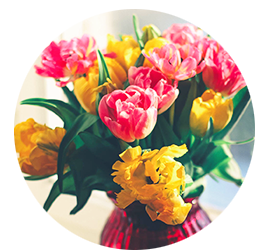
Tulips
Tulips naturally bend and droop over time. Trim stems under cool water, place in a tall vase for support, and add pennies (copper helps reduce bacteria).
Hydrangeas
Hydrangeas wilt quickly due to their woody stems. Smash the ends with a hammer, soak the whole flower head in cold water for 30-60 minutes, and display.
Lilies and Daffodils
Both can be revived with fresh water and stem trimming. Keep daffodils separate from other flowers to prevent toxic sap from affecting bouquet-mates.
Orchids
Orchids need filtered or distilled water. Mist their blooms and leaves gently to maintain humidity.
Professional Tips: Going Beyond the Basics
- Use a clean vase: Always start with a sanitized vase to minimize bacteria.
- Add a penny or vodka: Copper from a penny and the alcohol in vodka can kill bacteria, keeping water cleaner.
- Maintain a steady schedule: Tend to your flowers at the same time each day for consistent hydration.
- Remove withering blooms: This prevents mold and allows the remaining flowers to last longer.
- Monitor water color and smell: Cloudy or musty-smelling water signals bacteria growth--change it immediately!
DIY Flower Revival Kits and Natural Alternatives
Want to make your own flower revival kit? Include these items for easy care at home:
- Sharp scissors or gardening shears
- Clean vase or glass jars
- Packets of commercial flower food
- Baking soda, bleach, aspirin, sugar, and lemon for homemade solutions
- Spray bottle for misting delicate blooms
- Access to both hot and cold water
Natural alternatives such as apple cider vinegar (antibacterial) and crushed vitamin C tablets can supplement your care routine.
The Science Behind Flower Preservation
*Understanding flower biology* is key to reviving and maintaining cut flower freshness. Water balances within the cell walls keep petals firm. When this balance is disrupted by dehydration, bacteria, or air bubbles, flowers wilt.
Acidic solutions help water move up the xylem (stem's vascular tissue), while nutrients like sugars act as energy sources. Keeping flowers at lower temperatures slows metabolic processes, extending vibrancy.
With the right combination of technique and care, you can enjoy spectacular, long-lasting blooms--turning every bouquet into a masterpiece of freshness!
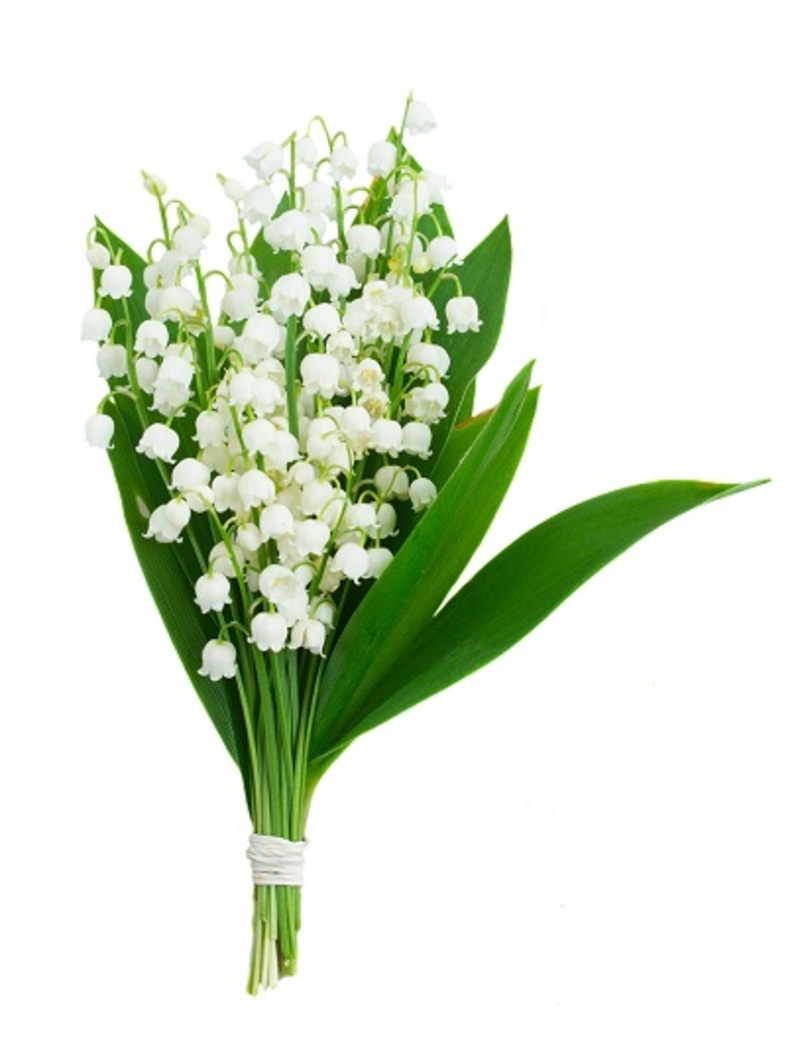
Conclusion: Enjoy Your Longer-Lasting, Beautiful Bouquets
Reviving cut flowers is an art and a science, blending time-honored methods with modern solutions. By understanding the natural processes behind flower wilting and using these proven techniques for freshness, you can extend the beauty and lifespan of any bouquet--even bringing wilting blooms back to life. Keep your flowers thriving, your rooms vibrant, and your celebrations memorable with these expert-recommended tips for reviving cut flowers.
Share Your Success
Have you discovered a unique method for keeping cut flowers fresh longer? Join the conversation by commenting below or sharing photos of your revived bouquets on social media. Let's help everyone enjoy the delight of fresh flowers, every single day!
Latest Posts
Delve into the Secrets of Tulips with These Seven Amazing Facts
Orchid Enthusiast's Guide to Proper Care
Beautiful Blooms: A Compassionate Approach to Hydrangea Care